A beautiful yard can completely change the way a home feels. Lush green grass, neatly trimmed shrubs, colorful flower beds, and thoughtfully designed outdoor living areas create an inviting atmosphere that enhances daily life.
Yet as inspiring as these transformations can be, many homeowners hesitate when one big question comes to mind. How much do Oahu Landscaping Services actually cost? Understanding the factors that influence pricing can help you plan confidently and invest wisely in your outdoor space.
Understanding the Average Cost of Landscaping Services
Landscaping services vary widely in price because no two properties or projects are exactly the same. The overall cost depends on the size of the yard, the complexity of the design, the materials selected, and the level of ongoing maintenance required. A simple lawn care package will naturally cost less than a full landscape redesign that includes hardscaping, planting, irrigation, and lighting.
Basic lawn maintenance services such as mowing, edging, and trimming are typically priced either per visit or through a monthly contract. These routine services are generally more affordable because they involve consistent, predictable tasks. On the other hand, one time projects like installing a new patio, planting mature trees, or building retaining walls require more labor and materials, which increases the total cost.
It is important to distinguish between initial installation costs and long term maintenance expenses. A complete landscape overhaul may involve a larger upfront investment, while routine care spreads costs out over time. Both play a role in keeping a property attractive and functional.
Key Factors That Influence Landscaping Costs
Several variables determine how much you will pay for landscaping services. One of the most significant factors is the size of the property. Larger yards require more materials, more labor hours, and more ongoing care. Even something as simple as mowing becomes more expensive when the lawn covers a greater area.
The condition of the existing landscape also impacts pricing. If the yard has drainage issues, compacted soil, or overgrown vegetation, additional preparation work may be required before new features can be installed. Clearing debris, grading land, or improving soil quality adds to labor and equipment costs.
Design complexity is another major consideration. A straightforward layout with grass and a few shrubs is far less expensive than a custom design that includes curved walkways, decorative stonework, water features, and layered planting beds. Intricate designs demand careful planning, skilled craftsmanship, and premium materials.
Material selection further influences cost. Natural stone, high end pavers, and mature trees come with higher price tags compared to standard concrete or smaller plants. While premium materials increase initial expenses, they can offer durability and visual impact that justify the investment.
Finally, regional climate conditions affect plant selection and irrigation needs. Areas that require drought resistant plants or advanced irrigation systems may see higher installation costs, although these systems can reduce water usage and long term maintenance.
Cost Breakdown of Common Landscaping Services
To better understand landscaping expenses, it helps to look at the cost categories associated with different services. Lawn care typically includes mowing, fertilization, aeration, weed control, and seasonal cleanup. These services are often bundled into maintenance packages, making them more cost effective than scheduling each task separately.
Landscape design services involve consultation, site analysis, and the creation of a detailed plan. Design fees may be charged as a flat rate or as a percentage of the total project cost. While some homeowners attempt to skip professional design to save money, a well planned layout can prevent costly mistakes and ensure cohesive results.
Plant installation costs depend on the type and quantity of greenery selected. Small shrubs and young trees are generally less expensive than mature specimens, but mature plants provide immediate visual impact. Flower beds, sod installation, and mulching also add to planting costs.
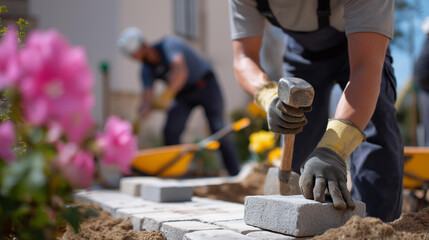
Hardscaping services, including patios, walkways, retaining walls, and driveways, tend to be among the most expensive components of a landscaping project. These features require skilled labor, proper foundation preparation, and durable materials. However, hardscaping significantly increases functionality and property value.
Irrigation systems and outdoor lighting are additional expenses that enhance convenience and safety. Installing a sprinkler system ensures efficient watering, while landscape lighting highlights key features and extends usability into the evening hours. Though these additions raise initial costs, they often provide long term benefits.
Budgeting for Short Term and Long Term Expenses
When planning for landscaping services, it is important to think beyond the initial price quote. A realistic budget should account for both installation and ongoing maintenance. Newly installed plants require consistent watering, pruning, and fertilization to establish healthy root systems. Ignoring maintenance can lead to plant loss and additional replacement costs.
Setting clear priorities can help manage expenses. Homeowners who cannot complete a full transformation at once may choose to divide the project into phases. For example, installing hardscape features first and adding plants later spreads costs over time while still moving toward the final vision.
It is also wise to build a contingency fund into your landscaping budget. Unexpected challenges such as hidden tree roots, poor soil conditions, or drainage issues can arise during installation. Having extra funds available reduces stress and prevents delays.
Long term savings should also be considered. Investing in quality materials and proper installation may cost more upfront but can reduce repair and replacement expenses in the future. Efficient irrigation systems and native plant selections can lower water bills and maintenance requirements over time.
How to Get Accurate Landscaping Estimates
Obtaining detailed estimates is essential for understanding true project costs. A professional landscaping provider will typically conduct an on site evaluation before presenting a proposal. This allows them to assess the terrain, measure the area, and identify potential challenges.
A comprehensive estimate should outline labor costs, material expenses, design fees, and a projected timeline. Reviewing each component carefully helps ensure transparency and avoids unexpected charges later. Do not hesitate to ask questions about specific line items or request clarification on materials and installation methods.
Comparing multiple estimates can provide a clearer picture of market pricing. However, the lowest bid is not always the best choice. Experience, quality of workmanship, and reliability are equally important considerations. Paying slightly more for skilled professionals can result in better long term outcomes.
Clear communication about your budget from the beginning can also streamline the process. When landscaping professionals understand your financial limits, they can recommend alternative materials or phased approaches that align with your goals.
The Value Behind the Investment
While landscaping services represent a financial commitment, they also deliver tangible and intangible returns. A well designed and maintained yard enhances curb appeal and can increase overall property value. Potential buyers often view attractive landscaping as a sign of proper care and attention to detail.
Outdoor living spaces add usable square footage without the expense of interior construction. Patios, seating areas, and gardens provide opportunities for relaxation and entertainment. These enhancements contribute to a higher quality of life and encourage more time spent outdoors.
In addition to aesthetic benefits, landscaping can improve environmental conditions. Strategically placed trees provide shade that reduces cooling costs during warm months. Healthy lawns and plants support soil stability and reduce erosion. Sustainable landscaping choices contribute to long term ecological balance.
When viewed as an investment rather than an expense, landscaping services offer lasting rewards. The enjoyment and functionality gained from a thoughtfully designed outdoor space often outweigh the initial costs.
Conclusion: Planning Smart for Beautiful Results
Understanding the cost of landscaping services empowers homeowners to make informed decisions. Prices vary based on property size, design complexity, material choices, and maintenance needs. By evaluating both short term installation expenses and long term care requirements, you can create a realistic budget that supports your vision.
Thoughtful planning, detailed estimates, and clear communication with landscaping professionals help prevent surprises and ensure satisfying results. Whether you are considering basic lawn maintenance or a complete outdoor transformation, investing wisely in your landscape creates a welcoming environment that enhances both property value and everyday living. With the right approach, your outdoor space can become a source of pride and enjoyment for years to come.